PLN's
Pinterest is a website where you can explore and discover new things that interest you. It is a great classroom/teacher resource because it allows you to find pictures, icons, and links to various teaching material.
Edutopia is a website that connects teachers, administrators, and parents with innovative solutions and resources to better education.
Ted is a website where ideas are spread through various blogs, talks, and speakers.
Classroom 2.0 is a social network for educators who are interested in Web 2.0, social media, and technologies in the classroom.
Classroom Earth is a website where educators learn about the environment and how to incorporate that into the classroom and also to relate technology with the environment to make the world a better place.
Week 2 PLN Sites
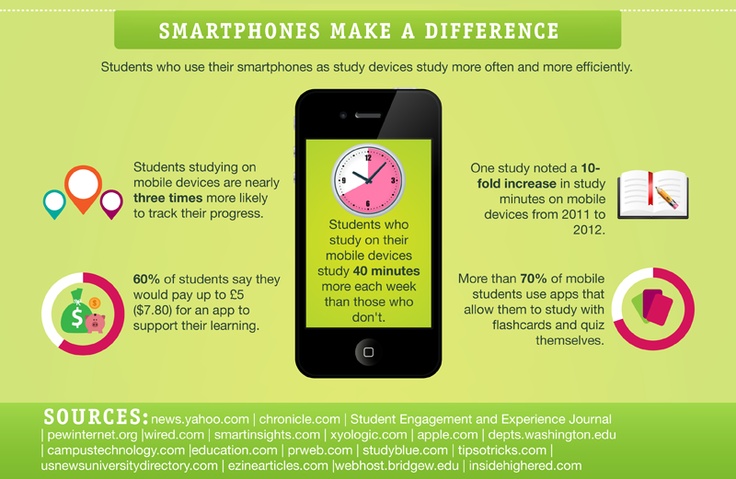
Pinterest How smart phones can increase student learning and progress. This shows statistics on how teachers can actually utilize smartphones inside of the classroom to engage the learners.
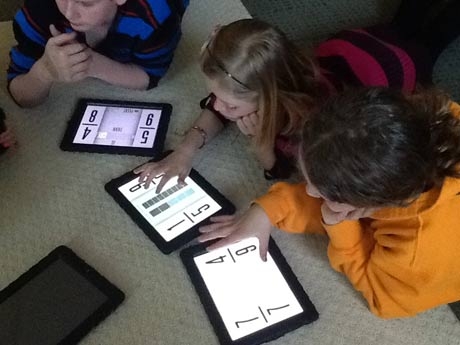
Edutopia Teaching the essential skills of a mobile classroom to increase students ability to communicate with others using a variety of different technology resources, learn how to collaborate with each other, making connections not just face to face but virtually, and that learning by creating where students then construct their own knowledge. "Technology is not the emphasis. It's the tool to do thoughtful work."
Ted Two giants of online learning discuss the future of education. Salmon Khan is the first education debater. He never intended to be an education icon, but when he was helping his cousin learn math an uploaded his vieos to youtube, he saw an increased interest from people wanting to learn the way he taught. He then made his sideline with the non-profit Khan Academy which offers free online lessons. Sebastian Thrun helped in a redeign of higher education and also he teaches classes through Udacity, an organization through online courses. In this blog, TED has a conversation with both of them about the technology inspired education.
Classroom 2.0 Speak up about how technology advances education and learning. This blog explains how important it is for teachers to become familar with online learning and how teachers need to learn how they can apply these websites for classroom use.This blog also includes a research survey about learning using the digital tools.
Classroom Earth This is just an overview on what this website is doing to help infuse technology with the environment. The website goes into depth about how research shows that students using technology in the classroom are more motivated to learn and also students who spend regular time outside are more creative an better problem solvers.
Week 3 PLN Sites
Pinterest The digital classroom, this picture shows how using a digital classroom with ebooks rather than textbooks may actually be an advantage for teachers and students. Ebooks are cheaper to use, easier to organize, and they are not harmful to the environment. This picture shows how teachers can utilize the digital tools in their classroom through moodles, blackboard, and itunes.
Edutopia 6 BYOD (Bring your own device) discussions teachers should have with their students and their students parents about how they can use their phones in the classroom to promote learning and engage the students.
Ted MOOCs by the numbers: Where are we now? MOOCs stands for Massive Open Online Courses and this allows for an unlimited number of enrollees, and a variety of different topics for the courses. This allows for people not only just in the United States to use but for people all over the world to use. This website just goes through the basics of what MOOC's is about and how is involved.
Classroom 2.0 Websites, and Teacher apps that are either free or cost a little bit that can be downloaded onto an iphone, or ipad that allow teachers to stay organized as well as be helpful resources.

Classroom Earth Engineering for our planet, incorporating math, science and technology. In this picture, it includes exploring the past, present and the future of environmental problem-solving through science, technology, engineering, and math. In the past, the picture represents hydrating Ancient Rome. In the present, the picture represents Designing Green Building. And in the future, the picture represents Capturing Carbon Cleanly.
Week 4 PLN Sites
Pinterest This is 10 Free websites for students to use that are educational. These websites can be used in and out of the classroom. The different websites work on listening, reading, identifying, geography and math while students are engaged in games. In class, if a student is having a difficult time with phonic, they can use a computer in the classroom and practice their phonics skills with a read along book. These websites can also be excellent homework websites for students to do.

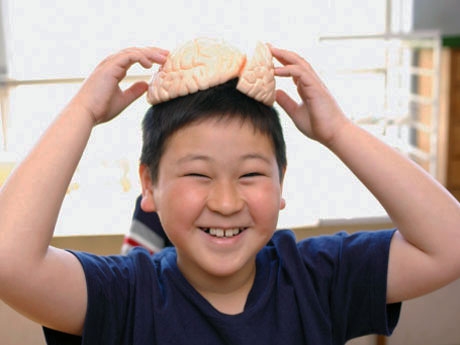
Edutopia This website is all about teachers who explicitly teach students about neuroplasticity can have an impact in the classroom. Having the students investigate how the brain works during learning will engage and motivate students to take charge of their learning. They will become interested how their brains change during learning and want to discover more about it. This website includes strategies that will help like reminding students that they drive their own brain and to make it a big deal for students to learn about their brains and ways of thinking. This website also puts emphasis on that students need to practice these meta cognitive and cognitive strategies and that there is always room to improve.
Ted This blog on Ted-Ed is about the new club that launched the week of January 14, 2014. The blog is titled "Thoughts on Passion-Driven Education" and is written by the club facilitator. An important quote that he said in this blog that I feel every educator should follow is "Passion can’t be taught, but you can plant a few seeds." He goes into depth with this quote about how when students feel truly passionate about something, they will put in more hours of effort and their success is limitless. An important part of being an educator is allowing students to have a lot of freedom and to be flexible so that way they are able to reach their full potential.
Classroom 2.0 This blog talks about simple ways to reach your challenging students. The first point this blog talks about it asking students to reflect on themselves because to often teachers just tell students what is expected of them without any of their input. This will show students how they can improve without the teacher telling them how they can improve. The blog also suggests to use a daily evaluation specifically on ways to have a healthy classroom.
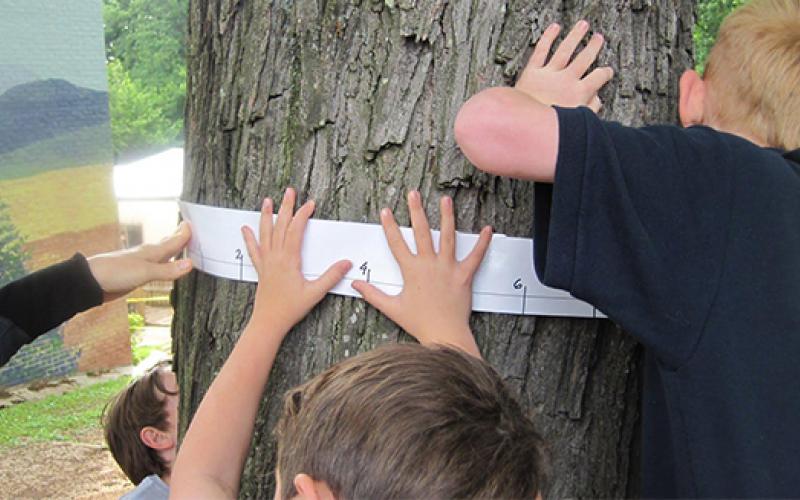
Classroom Earth In this case study, it explains the steps of figuring out "How much is that Tree" using the i-Tree design software tool. Teachers can promote appreciation of the environment by mapping trees and using the software which can calculate the dollar ecological of individual tree in the school yard. By doing this activity, it will show students just how much living trees are worth.
Week 5 PLN Sites
Pinterest This article is called the "Five Finger Retell". A retell is an important skill for devleoping readers to learn as the begin comprehending what they read. This article explains how retelling a fiction story is different than retelling a nonfiction story. In a fiction story, readers need to focus on setting, characters, problem, events and solution but in a non-fiction story readers need to focus on the main idea with supporting details. Below is a chart that this article provides as a visual aid for readers when they are retelling a fiction and non-fiction story.

Edutopia This blog gives 5 Tips to teachers who struggle with technology. I found this website helpful because some teachers really do have a difficult time navigating the digital world. As a whole school, if new technology is coming it is important to Build a Tech Team, Scaffold Effective Professional Development, Make Time, Make it Relevant, and to Encourage Them so no teacher is left behind with the use of technology. Allowing the teachers support and relevance will really help struggling teachers be able to tackle the new technology introduced into schools.

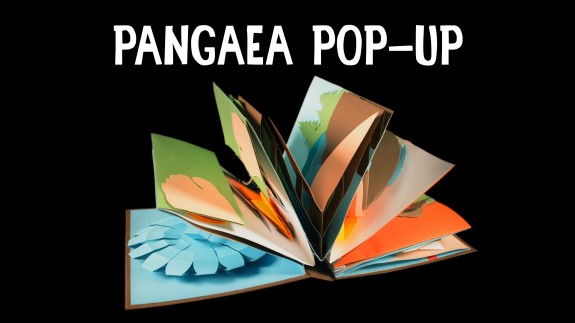
Ted I thought this blog was very interesting especially if you are artistic and want to be creative in the classroom. This blog gives step-by-step instructions plus video tutorial on how teachers can or anyone for that matter can create a pop-up book in their classroom. This could even be a fun lesson to do with students an allow them to come up with ideas, help draw and create a classroom book together.
Classroom 2.0 This is a blog using technology to deal with absenteeism. The teacher who wrote this blog dealt with teaching class and only have about 75% of those students show up to class on a good day. He then decided that he would start recording screencasts about his lessons and teachings within the classroom. When he ended up presenting the screencasts to the students he found that the students were engaged and that many of the students if not all of them were open to using the new technology.
Classroom Earth This is a broadcast about how to incorporate green engineering in the elementary classroom. In this webinar the students will be introduced to engineering education principles and activities. The students will also learn about elementary engineering units developed by EiE on environmental and sustainability topics such as cleaning an oil spill and designing a windmill. I think that this is an excellent resources for educators to use to teach students about the environment and way that they can help.
Week 6 PLN Sites
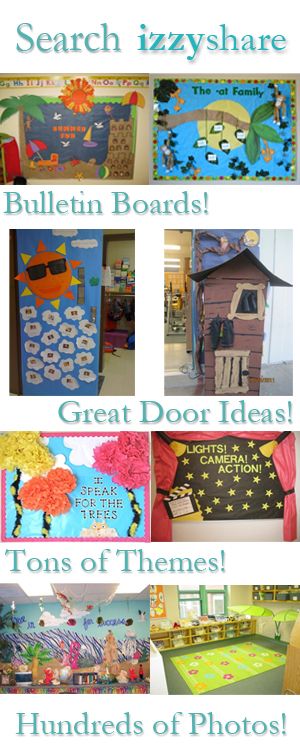
Pinterest This website shares ideas about decorating the classroom with various bulletin boards, doors, center ideas and more. This website allows teachers to become a community and share their ideas with other teachers to use. Below are some examples of decorations that can be used.
Edutopia This is a blog about how teachers can align teaching visual literacy with the Common Core. Teaching visual literacy explicitly will help students think through, think about and think with pictures. The blog lists all of the Common Core Standards that associate with visual literacy and then the blog explains ways teachers can teach visual literacy. Strategies teachers can use Think Aloud, Visual Thinking Strategy, Asking the 4WS, and Five Card Flickr. If you don't know what these strategies are, this website provides step-by-step instructions as well as video tutorials.

Ted This blog is titled "What is Love? A Question for Everyone." This blog explains how love is “a verb, a noun, a universal truth, an ideal, the common thread of all religions, a cult, a neurological phenomenon.” This blog then provides lessons and activities from multiple teachers and can be used in the classroom to teach students about trust, laughter, understanding, helplessness and more.

Classroom 2.0 This is a forum that talks about an active listening exercise for teachers to use. In this forum, it explains how listening well is a skill that needs both attention and intention. Listening starts with our ears but also involves our eyes. Teaching students to listen better will help students to succeed in the classes by getting them to be more engaged into what they are learning. This forum suggest to review how to listen with openness, curiosity, respectfully, schematically, and intentionally.
Classroom Earth This case study uses technology to connect inner city youth with endangered species. In this case study,students researched endangered species and then learned about the power of wildlife imagery to inspire conservation efforts both locally and globally.
Week 7 PLN Sites
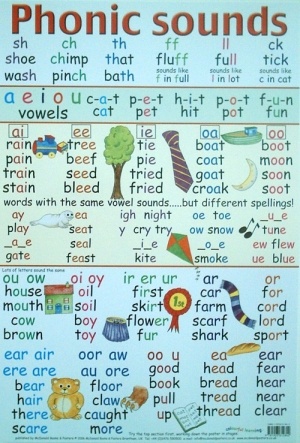
Pinterest This is a great poster to hang up in the classroom that will help students learn and be reminded of phonics sounds. The pictures in the poster serve as great visuals to also help the students with the learning process.
Edutopia This blog about student engagement is five tips to foster a love for reading. Fostering a love for reading may take time for students but using the strategies listed in this forum will help the students start to love reading. The strategies include a real-aloud, weekly visits to the library, develop a classroom library, start a book club, and most importantly to write stories.

Ted This is a TV Special on Rita Pierson about how every kids needs a champion. She explains how she has been in education for over 40 years so she has seen the different views and perspectives of education. One of the biggest things she talks about how in education we never or rarely see the issues on development of relationships inside of the classroom. We all know why some students have a hard time to succeed due to poverty and other issues, but a lot of class time is on making connections on a real, human and personal connection.
Classroom 2.0 This is a blog about Bloom's Taxonomy and Web 2.0. In this blog, it explains how the author believes in social media and web 2.0 are perfect resources to connect Blooms taxonomy as students and teachers encourage higher-order thinking skills to concrete activities and in support of the core subject areas/standards.

Classroom Earth This is a webinar on 21st Century tools for environmental learning in the community.
Week 8 PLN Sites
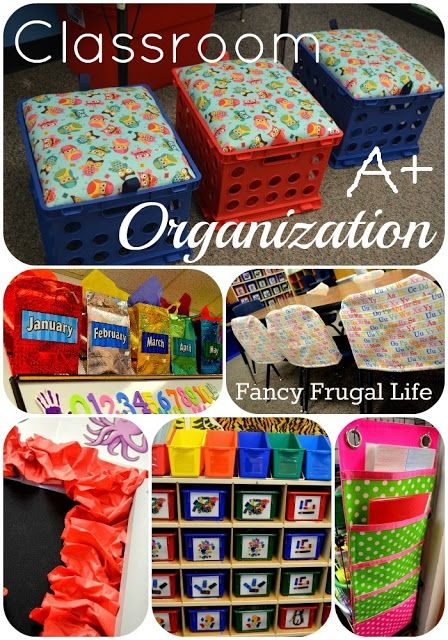
Pinterest This pin is all about ways to keep you classroom organized. These are great ideas to make the classroom look good as well as keep everything in an orderly fashion.
Edutopia In this blog, it gives 5 tips for flipping a PBL classroom. PBL stands for project-based learning. Combining both a flipped and PBL classroom can be really successful if teachers follow the listed tips. Teachers must use short content videos with emphasis on the word short. A 5-10 minute video can be used to replace lectures in the classroom. Teachers should also collaborative virtual work where students can use each others ideas and to use virtual games to help teach content rather than just videos. Teachers should use product production method so students have 24/7 access to their project and lastly teachers must consider tech equity because not all students have access to technology.
Ted This Ted-Ed blog includes 2013 favorite and most popular lessons. The range of the lessons are from being silly to informative lessons. Topics of lessons include slam poetry, how to use animation, sci-fi and fantasy literacy works, moon illusion, yawning being contagious, chemistry of making cookies and more.
Classroom 2.0 This blog gives 100 Best YouTube videos for teachers that can be a great resource tool for teacher to use to teach and learn about content. The blog breaks up the videos into subject areas such as History to provide students with a better insight on historical events, Science to make it more fun and interactive, Language to help improve, Arts to learn how to use are in the classroom with crafts and projects, Inspiration to be reminded why you became a teacher, Classroom Management to stay organized, How To's for helpful guides, Technology to incorporate in the classroom, and Humor if a teacher needs a good laugh.

Classroom Earth On this page, it provides the Top 10 Apps for taking technology outdoors. This joins educators around the country and provides them with the discovery of new, digital resources to connect students in the classroom with the environment. All of these apps are also free!
